Atyla: The Handwritten Script Font for Modern Designers
Every project has a voice. Sometimes, that voice needs to be clear and authoritative. Other times, it needs to be approachable, personal, and full of character. When your work calls for that human touch—the feeling of a handwritten note or a casual, confident scribble—a standard sans serif font won't do. This is where a thoughtfully crafted script font like Atyla enters the conversation. It’s not just another handwritten font; it’s a tool designed to inject personality and warmth into your visual communication.
Understanding Atyla's Visual Personality
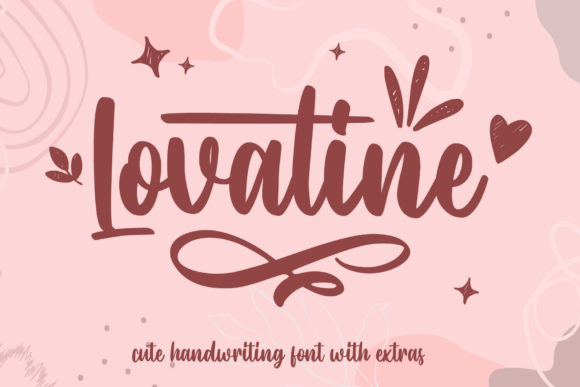
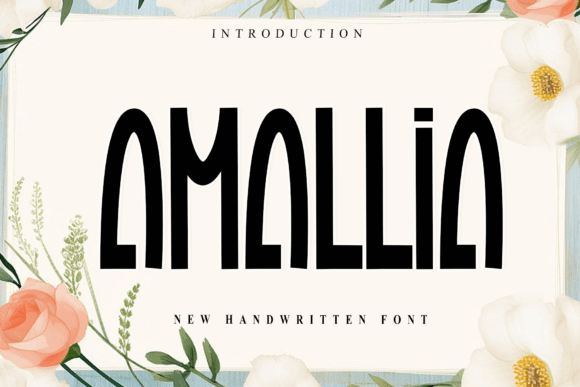
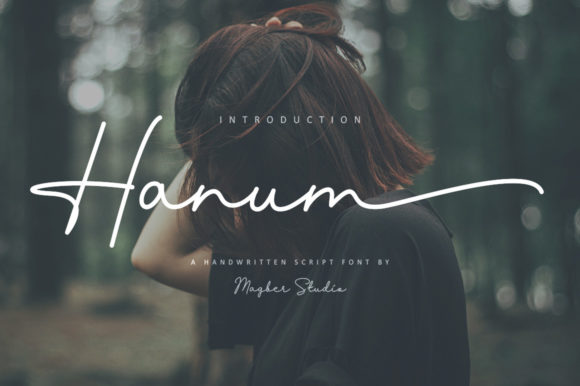
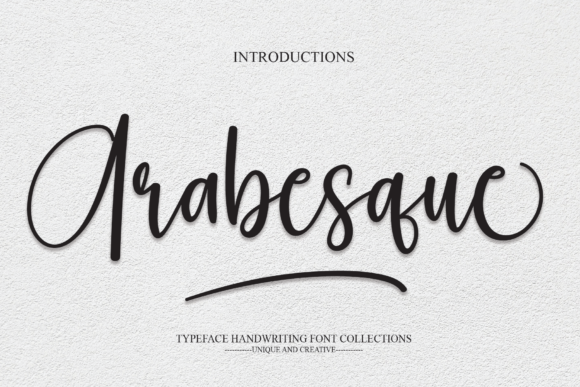
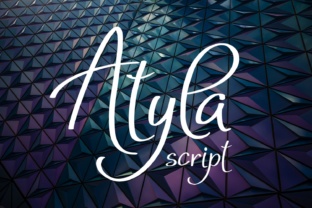
At first glance, Atyla presents itself as a premium font with a distinctly casual vibe. Its letterforms flow with an organic, hand-drawn quality that avoids the stiffness of formal calligraphy. The strokes have a natural variation in thickness, suggesting the movement of a pen or marker, which gives it an authentic, modern typography feel. This isn't a script that tries to mimic 18th-century penmanship; it's fresh, contemporary, and unapologetically unique.
The character set is designed for versatility. The lowercase letters connect smoothly, creating a fluid rhythm that's easy on the eyes for short to medium-length text. Uppercase letters offer a more pronounced, stylish flair, perfect for initials or standalone words that need to command attention. The overall personality of Atyla is friendly and approachable, making it an excellent choice for projects that aim to build trust and relatability with their audience.
Where Atyla Truly Shines: Practical Applications
The real test of any creative font is its application across diverse projects. Atyla excels in contexts where a personal, human element is key to the design's success. Its versatility makes it a valuable addition to a designer's toolkit, suitable for both personal and commercial use.
Branding and Logo Design
For logo design, Atyla can be the perfect primary or secondary typeface for brands that want to project an image of creativity, warmth, and individuality. Think of artisanal bakeries, boutique coffee shops, independent clothing labels, or lifestyle blogs. It helps establish a brand identity that feels personal and handcrafted, distinguishing the business from corporate, impersonal competitors. When paired with a clean serif font or a geometric sans serif font, it creates a balanced and professional visual hierarchy.
Marketing and Digital Content
In the fast-paced world of digital marketing, capturing attention is paramount. Atyla is a powerhouse for creating engaging social media graphics, from Instagram quotes to Facebook ad headers. Its handwritten style cuts through the noise of standard fonts, making posts feel more like a conversation than a broadcast. For email marketing, using Atyla in headers or call-to-action buttons can increase click-through rates by adding a personal, inviting touch that standard fonts lack.
Publishing and Editorial Design
Within editorial design, this display font finds a natural home in magazine pull-quotes, chapter titles, and section headers. It adds visual interest and breaks up the monotony of body text set in a traditional serif or sans serif. For book covers, especially in genres like contemporary fiction, memoirs, or cookbooks, Atyla can instantly convey the tone and personality of the content inside, making the cover more compelling on a crowded shelf or online thumbnail.
Packaging and Product Design
Packaging design is all about shelf appeal and communicating product essence at a glance. Atyla works beautifully for product labels, tags, and boxes for items like handmade soaps, gourmet foods, stationery, or craft kits. Its script style suggests care, quality, and a personal touch, which can influence a customer's perception and willingness to purchase. It tells a story of craftsmanship before the product is even opened.
Working with Atyla: A Practical Guide
Integrating a new typeface into your workflow requires more than just liking how it looks. Here’s how to effectively evaluate and use Atyla.
Evaluating Project Fit and Readability
Before selecting Atyla, consider the project's primary goal and medium. Its strength lies in display and short-text applications. For body copy in long-form articles or books, readability is best served by a traditional serif or sans serif. However, for headlines, subheadings, pull-quotes, and calls-to-action, Atyla enhances the visual hierarchy and draws the reader's eye exactly where you want it. Always test it at the intended size to ensure its charming details remain clear and legible.
Mastering Font Pairing
The true power of a script font like Atyla is often unlocked through strategic font pairing. Its casual nature pairs well with more structured typefaces. For a clean, modern look, try combining it with a simple, geometric sans serif. For a more classic, elegant feel, a transitional serif can provide a beautiful contrast. The key is to let Atyla be the star for key phrases while the supporting font handles the heavier lifting of information. Avoid pairing it with other highly decorative scripts, as this can create visual clutter.
Leveraging Included Styles and Licensing
A quality commercial font often comes with multiple styles. Check if Atyla includes stylistic alternates, ligatures, or swashes. These features allow you to customize the text further, adding unique flourishes to specific letters for a more bespoke result. Crucially, for any professional work—whether for a client or your own business—ensure you have the correct commercial license. This protects your work and respects the font creator's intellectual property, allowing you to use Atyla confidently across all your design assets, from websites to printed materials.
Ultimately, Atyla is more than just a set of glyphs; it's a design solution for adding humanity and flair. By understanding its personality, applying it to the right contexts, and using it thoughtfully alongside other typefaces, you can leverage this handwritten font to create more engaging, memorable, and effective designs that truly connect with people.